


Sold out
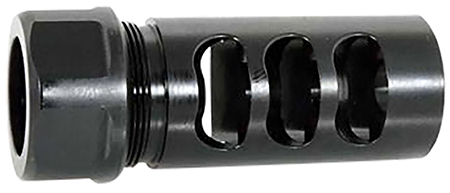
American Precision Arms G2L5830N Gen 2 Little Bastard Self Timing Brake Black Nitride Stainless Steel with 5/8″-24 tpi Threads, 2.22″ OAL & 1″ Diameter for 30 Cal Rifle
Member pricing
Out of stock
Members-only pricing
FDC members buy at dealer pricing. Join free to unlock the price and add this to your cart.
Try FDC free today Already a member? Sign inShippingShipping rates are shown to FDC members.
Secure checkout
Authorized dealer
Ships from our warehouse
Details
The Gen 2 Series of brakes features a nut that is a separate piece that allows you to install the brake at home. Installations take about 30 seconds and have no hideous crush washers or peel washers to deal with. It is precision machined out of high-grade stainless steel. The LB is a perfect fit for barrels .750 – 1.0 inch in diameter at the muzzle.
Specifications
| UPC | 810131790806 |
|---|---|
| Manufacturer | |
| Manufacturer Part Number | G2L5830N |
| Model | Gen 2 Little Bastard |
| Thread Pattern | 5/8"-24 tpi |
Shipping & Returns
All sales are final; we do not offer refunds or exchanges. Items that arrive damaged or defective are covered under the manufacturer's warranty — contact us within 5 days of delivery and we will help coordinate a claim.
Related products
-
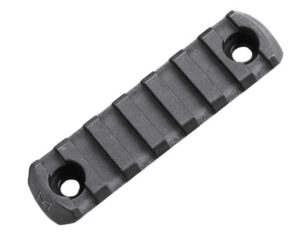
Magpul MAG591-BLK M-LOK Polymer Rail 7 Slots Black
-
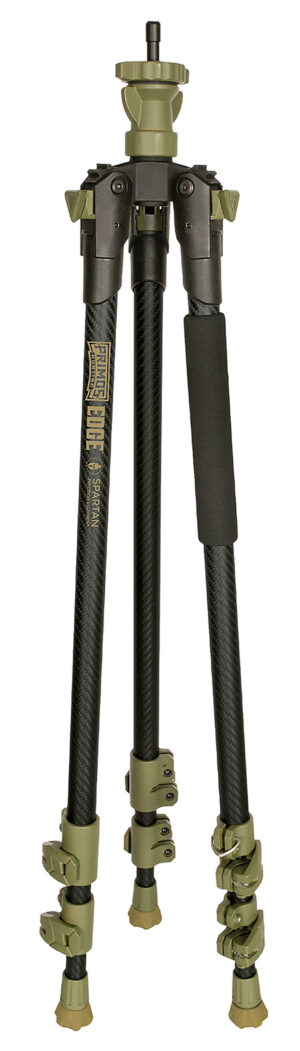
Primos 65832 Edge Dark Earth Carbon Fiber Legs, Spartan Precision Technology Magnetic Attachment System 31″-59″
-
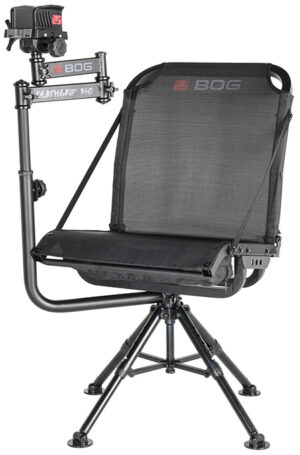
Bog-Pod 1134447 DeathGrip 360 Shooting Rest Chair, Black Aluminum, Extendable Leg Height, 400lbs. Weight Capacity
-
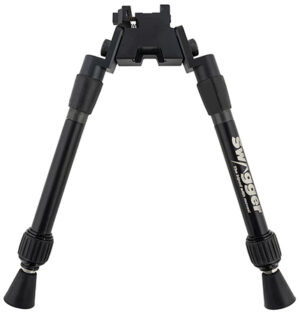
Swagger SWAGBPSEA12 Sea12 Extreme Angle Bipod with Black Finish, Picatinny Attachment & 9-12″ Vertical Adjustment
-
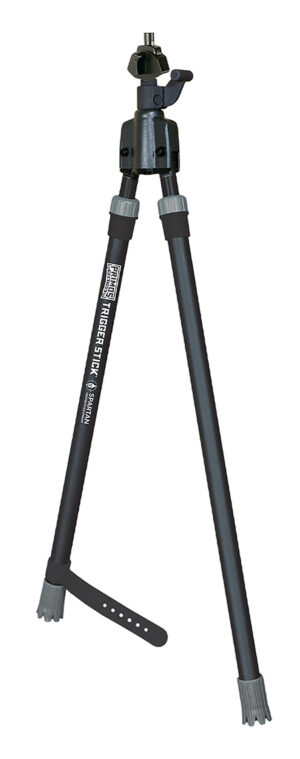
Primos 65829 Trigger Stick Medium 21.50″-40″, Black, Spartan Precision Magnetic Attachment System