


Direct ship
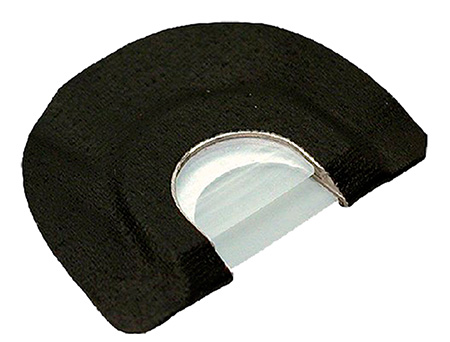
Primos PS115 PiggyBack Series Deadly Double Diaphragm Call Double Reed Attracts Turkeys Black
Member pricing
Members-only pricing
FDC members buy at dealer pricing. Join free to unlock the price and add this to your cart.
Try FDC free today Already a member? Sign inShippingShipping rates are shown to FDC members.
Direct shipShips to you directly from our distributor.
Secure checkout
Authorized dealer
Ships from our warehouse
Details
This stacked double frame call is built with one ultra-thin latex reed and one super-thin prophylactic reed which are separated by 1/16″ and will not stick together. This versatile call can be very raspy depending on how you blow it. The Deadly Double is one call that will do it all, from raspy yelps and clucks to excited cuts and cackles.
Specifications
| UPC | 010135001155 |
|---|---|
| Manufacturer | |
| Manufacturer Part Number | PS115 |
| Product Type | Diaphragm Call |
| Sound Species | Turkey |
| Sounds | Clucks/Cuts/Purrs/Yelps |
| Species | Turkey |
| Style | Mouth |
Shipping & Returns
All sales are final; we do not offer refunds or exchanges. Items that arrive damaged or defective are covered under the manufacturer's warranty — contact us within 5 days of delivery and we will help coordinate a claim.
Related products
-
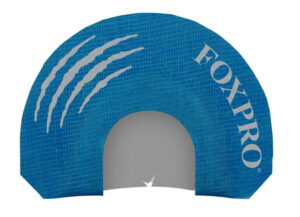
Foxpro COYPUP Coyote Pup Diaphragm Call Triple Reed Coyote Pups Sounds Attracts Coyotes Blue
-
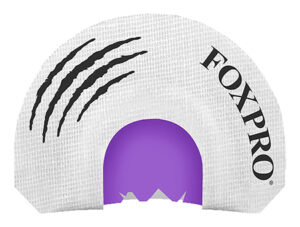
Foxpro COTTONTAIL DIA Cottontail Diaphragm Call Double Reed Cottontail Sounds Attracts Predators White
-
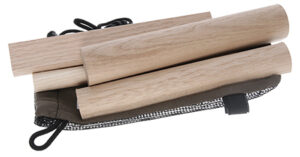
Hunters Specialties 00181 Ruttin’ Buck Rattling Bag Green Wood
-
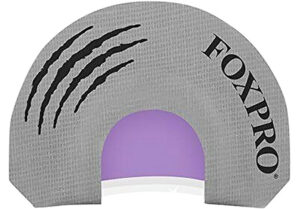
Foxpro RACCOON Raccoon Diaphragm Call Triple Reed Attracts Raccoon Gray
-
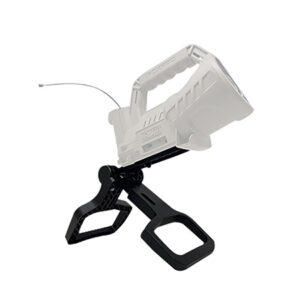
Foxpro HANDLESTD Handle Stand Compatible with the Hellcat/Pro/Prowler/Patriot/Inferno, Black Glass Filled Nylon